
Hsence
Metabolic health, made for women: a wearable + diary platform for insulin resistance and PCOS.
Founder of Hsence, building metabolic health tools for women, starting with insulin resistance and PCOS. Background in ML engineering, clinical research at Weill Cornell, and growth at an early-stage health startup. M.S. Information Systems (Health Tech), Cornell Tech '27.
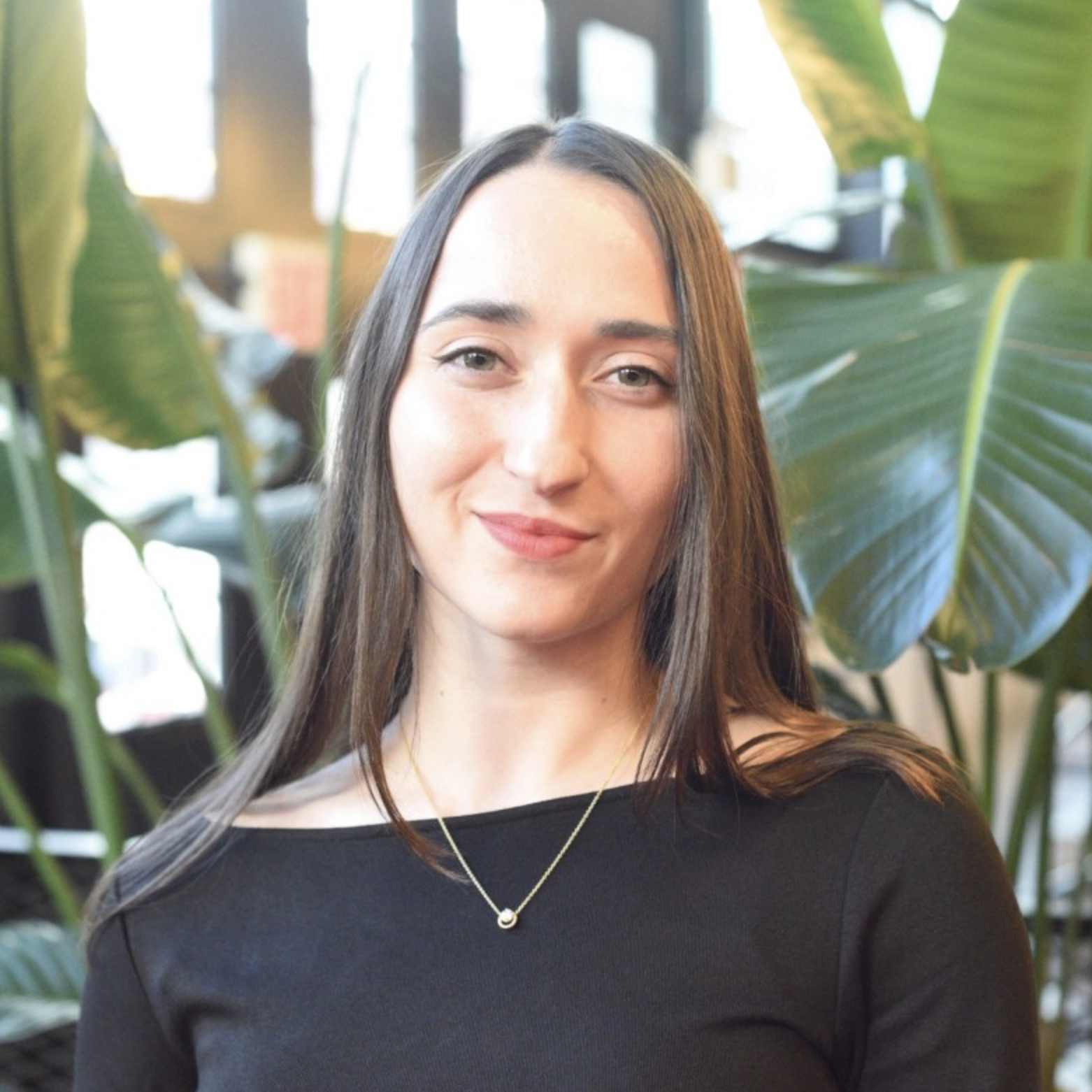
Building a metabolic health platform for women that combines passive wearable data with personal context: a daily diary, food and behavior tracking, and a personal agent. It helps women understand their insulin resistance and see what actually works for their own bodies. Designed the per-user ML architecture (cycle-phase classification on wearable signals, Bayesian cold-start blending, LLM narration layer) and shipped the prototype. Ran 15–20 customer discovery interviews with patients and clinicians. Was invited to submit an NSF SBIR Phase I proposal (Digital Health) and submitted it with a Weill Cornell clinical and biostatistics team.
Owned host acquisition and growth operations for a cardiology research and journal club platform. Built the outreach pipeline to cardiologists, fellows and KOLs, ran demo and onboarding calls, and converted the first hosts, which led to the platform's first live journal club session. Synthesized 19 user calls into a product feedback audit that set engineering priorities.
Worked with the Heart Failure team on a study using Oura biometric data. Supported clinician interviews by documenting and synthesizing insights on workflow friction, contributing to workflow improvements, data quality processes, patient data analysis using Oura biometric data, and biomarker exploration. Transformed complex biomarker data into actionable insights and dashboards for clinicians, reducing data quality check time by 30%.
Led product development for Urban Ear Architecture. Redesigned a declining engagement program by conducting 50+ in-depth user interviews and analyzing behavioral data to identify pain points, at-risk segments, and barriers to ongoing participation. Defined KPIs and built a data-driven roadmap; launched personalized outreach campaigns and a scoring system to track engagement and drive retention. Presented insights to leadership, driving a 40% increase in participant re-engagement.
Collaborated with Product, Engineering, and Solutions teams to design and deploy an AutoML pipeline, accelerating AI model deployment by 40%. Integrated Ray, MLflow, and Feast to optimize model development, experimentation, and A/B testing. Built an ML dashboard for model monitoring and stakeholder adoption.
Designed and launched a full-stack data analytics tool to automate data processing for MTA analysts, reducing reporting time from days to minutes. Worked with cross-functional teams to refine requirements and prioritize high-impact automation features.
Developed a real-time scoring system to evaluate image processing pipelines across diverse conditions. Processed 11K+ images to fine-tune detection models, collaborating with researchers and engineers to iterate on improvements.
Metabolic health, made for women: a wearable + diary platform for insulin resistance and PCOS.

Fertility and hormone care, made clear: learn, check coverage, find in-network doctors and track care in NYC.
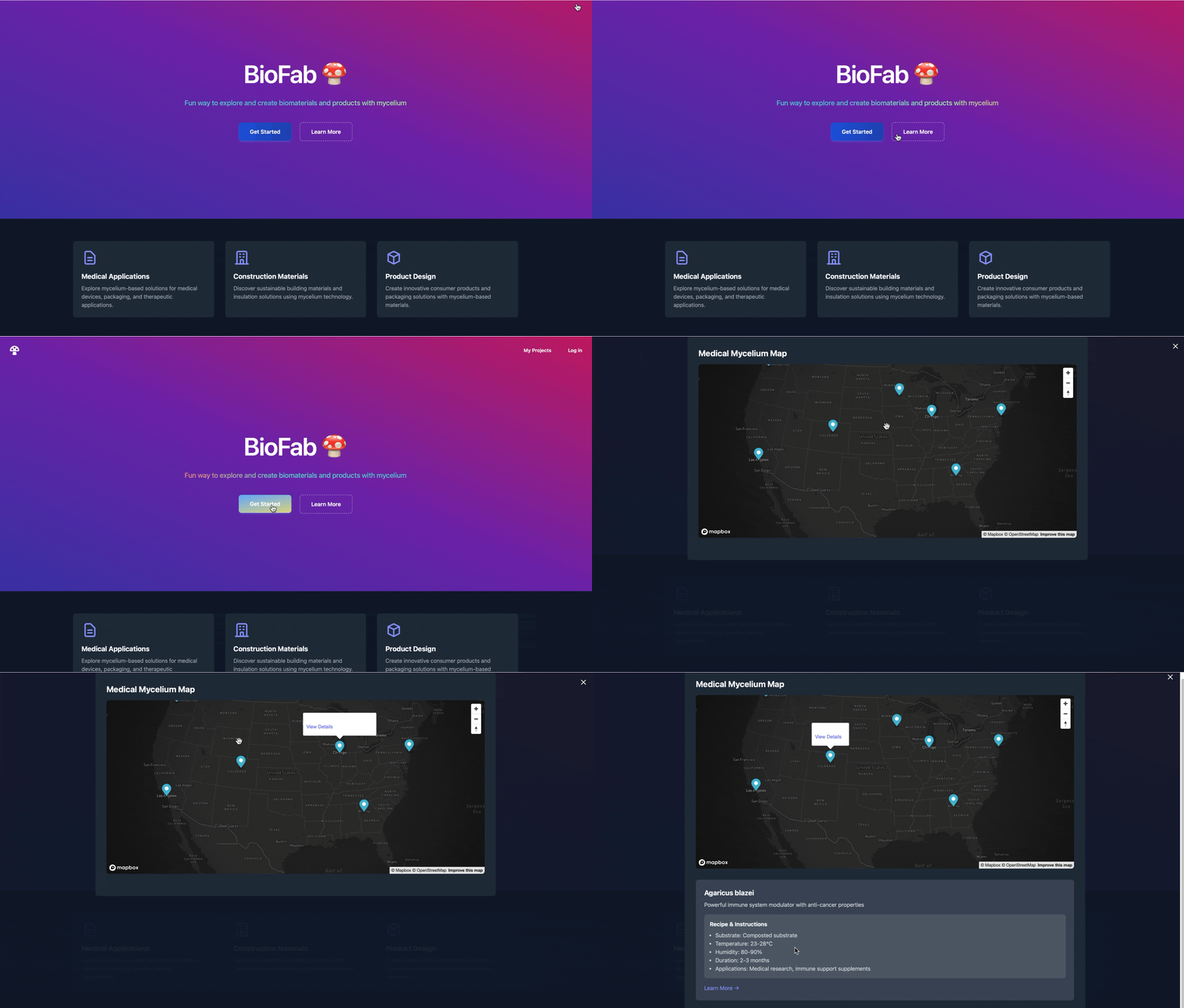
A biofabrication research tool helping researchers discover mycelium applications in an easy, fun, and interactive way.
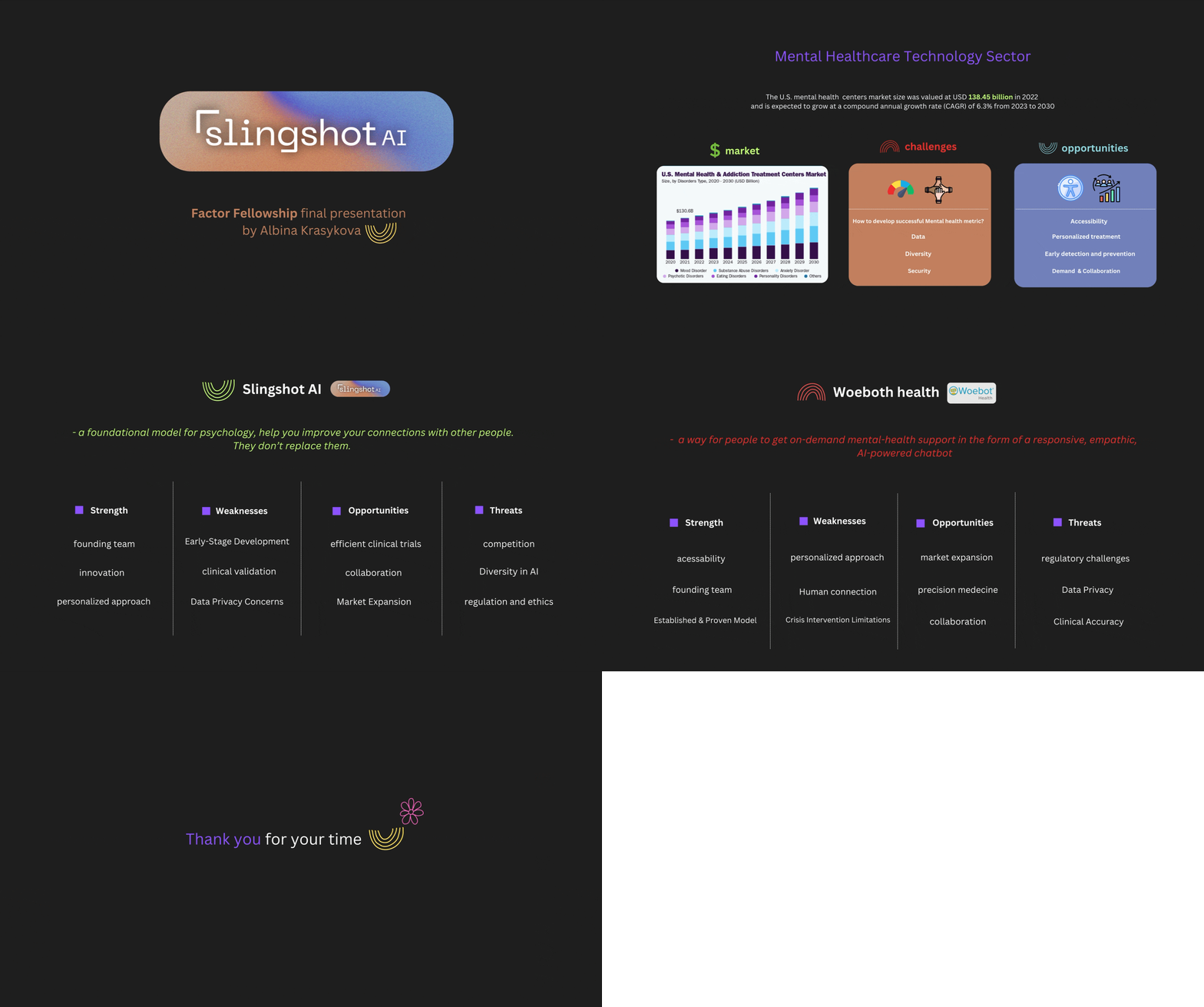
Stage A startup analysis for Primary Ventures through the Factor Fellowship for high-achieving early career professionals.
Iris is a prototype website that helps women in New York City make sense of fertility and hormone care. It focuses on three conditions that often affect fertility: PCOS, endometriosis and thyroid disease. It works in four steps:
Doctors, availability and network details are examples. Iris offers education, not medical advice.